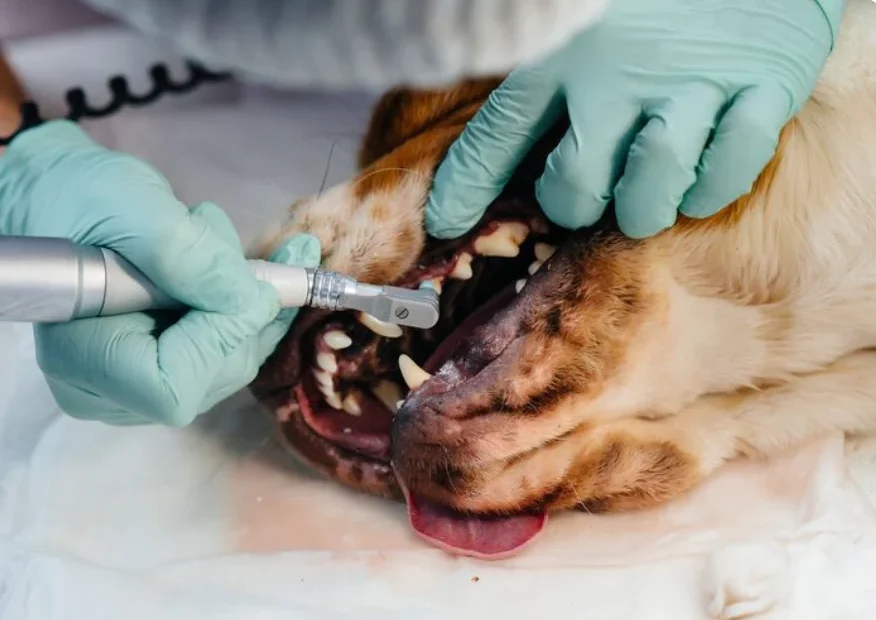
Anyone who has had a dog or cat for a while ends up knowing odd little things. The exact scoop of food that counts as dinner. The treat that’s gone before the bag is closed. The spot behind the sofa where the favorite toy always lands. Usually you can tell when something’s not right. Teeth are harder. Your pet won’t tell you one of them hurts. It’ll just eat a bit differently and get on with its day. Nerovet Smart Dentistry is really a plan for that problem: notice things early, build small dental habits into normal pet care, and ring the vet when something looks off. No expertise needed. Mostly you just have to look.
Your Pet’s Teeth Are Working Every Day
A dog’s mouth does a lot. Breakfast, tug-of-war, a stick dragged home from the park, a chew, and some afternoon “investigating” of things that were never toys. Cats use their teeth for eating, grooming and play too.
Plaque builds up slowly, so for a long while there’s nothing to see. Eventually it hardens into tartar and the gums around it get sore. Pets keep eating through this, which is why people assume all is well. It often isn’t.
Take a Look When Your Pet Is Relaxed
You don’t have to inspect the mouth like a vet would. Wait until your dog is dozing next to you, or your cat is in a decent mood, and lift the lip for a second or two.
What you want is a picture of normal. A bit of buildup might be normal for your pet. Then, weeks later, if you notice swelling, bleeding, a chipped tooth or a lot more tartar, you’ll spot it because you remember the old picture. Breath is the same story. If it turns bad and stays bad, mention it to the vet.
Why Plaque Should Not Be Ignored
Plaque is just bacteria and leftover food forming a film on the teeth. Everyone’s pet gets it. If it’s left, it hardens into tartar.
Thick tartar usually won’t come off with brushing, and a professional cleaning may be needed. The gums next to it can get inflamed as well. If your pet has plaque, you haven’t failed. What matters is catching it while it’s small.
A Change in Eating Habits Can Be a Clue
You know how your pet eats. Maybe your dog clears the bowl in three minutes. Maybe your cat eats a little, leaves, then comes back.
When that changes, notice it. A sore mouth can mean chewing on one side, slower meals, dropped food, or suddenly ignoring a chew it loved. Plenty of other things cause the same signs, so don’t jump to conclusions. If it keeps happening for more than a few days, tell your vet.
Getting a Dog Comfortable With Toothbrushing
Some dogs don’t mind brushing. Others decide the brush is an enemy before it even touches a tooth. If that’s yours, slow down.
Start with your fingers. Touch around the muzzle, lift the lip for a second, stop, give a treat. Do that for several days. Once your dog looks bored by it, show the brush and let it sniff. Pet toothpaste helps because most of it tastes like something dogs want. Keep sessions short. At this stage you’re teaching trust, and a clean mouth is a bonus.
Cats May Need a Different Approach
Cats will make their feelings known. A cat that hates having its mouth touched needs a lot more patience than most dogs.
Begin small. If it lets you stroke its cheeks, that counts. Add a quick lip lift later, and keep any brushing calm and short. And if your cat flatly refuses, that’s not the end. Regular vet checks and suitable dental products still help.
Choose Dental Products Carefully
Walk into a pet shop and every second box promises cleaner teeth and fresher breath. Some are fine. The label shouldn’t be the reason you buy.
Take chews. A good one can help, but size and hardness matter a great deal, and what suits a Labrador won’t suit a small terrier. Same for toys, gels and water additives. Here Nerovet Smart Dentistry is simple: think first, check your pet’s age, size and chewing style, and ask your vet if you’re unsure.
Never Assume That Harder Means Better
A lot of people figure the harder the object, the cleaner the teeth. Not true.
Teeth are strong but they do crack. Hard bones and stiff toys are common reasons for broken teeth, which hurt and cost real money to treat. Pick things designed for pet dental care, not whatever your pet happens to enjoy gnawing.
Young Pets Can Learn Good Habits Early
Puppies and kittens are still working out what’s normal, so the first months are a good time to begin.
Skip the toothbrush for now. Just get your young pet used to having its mouth handled. A puppy that accepts quick mouth checks is far easier to examine as an adult, and kittens are no different. Give them proper chew toys too, and your shoes might survive.
Senior Pets Deserve a Closer Look
Dental care matters more as pets get older. They’ve had years for tartar to collect, and their teeth may be worn, loose or damaged.
We also blame age for everything. An old dog skips its crunchy treat, a cat takes ages over dinner, and we say “he’s slowing down.” Sometimes it’s a tooth. A vet visit can tell the difference.
What About Dental Diets?
Some foods are made with oral health in mind, and depending on the product and the animal they can help cut down plaque.
They won’t replace everything else, though. Think of food as one part of the picture. If your pet has other health or dietary needs, check with your vet before switching.
Do Not Try to Remove Heavy Tartar Yourself
When you see thick tartar, scraping it off feels like common sense. Please don’t.
Sharp tools can cut the gums or scratch the tooth. Even if the teeth look better afterward, the trouble under the gumline is still there. A vet can see the whole mouth and decide what’s safe.
When a Veterinary Visit Should Not Wait
Some signs shouldn’t be left:
- Obvious pain, or flinching when the mouth is touched
- Facial swelling or bleeding from the mouth
- Trouble eating, or sudden refusal of food
- Heavy drooling
- A loose or broken tooth, or a foul smell that won’t go away
It might not be dental at all, and that’s fine. Finding out is the whole point. And never give human painkillers without vet advice. Some are dangerous for dogs and cats.
Dental Care Does Not Have to Take Over Your Day
A routine only works if you’ll actually do it. If your plan involves five products and a long session every evening, it’ll be dropped within weeks. Small habits survive. That’s how Nerovet Smart Dentistry fits into real life:
- Check the mouth while grooming
- Bring in brushing slowly
- Watch eating habits and breath
- Mention teeth at routine vet visits
The Practical Side of Nerovet Smart Dentistry
Nothing about this needs to sound complicated. “Smart” mostly means informed.
Use a pet-safe toothbrush, not the one from the bathroom. Ask whether a chew is right for your dog before handing it over. Notice when breath changes instead of laughing about it. And accept that some problems can’t be seen at home, which is what Nerovet Smart Dentistry assumes: every animal is different, so care should be too.
Build Around Your Own Pet
Don’t copy someone else’s routine. A neighbor’s dog might love nightly brushing while yours hates it. One cat takes a dental gel happily, another walks away from the bowl.
Age, personality, past dental trouble, diet and chewing habits all play in. Start with what your pet can handle and build slowly. Nerovet Smart Dentistry works best when it’s shaped around the animal in front of you. If you’re stuck, ask your vet. One small change often fixes it.
A Few Minutes of Attention Can Be Valuable
Pet care is full of small jobs. Fill the water bowl. Wipe a paw after a walk. Check the teeth.
Those quick checks seem minor on an ordinary day, but they’re how you notice change, and noticing early makes a real difference. Your pet can’t say something hurts, so you have to read the signs.
Final Thoughts
Healthy teeth are part of daily comfort, not only looks. Dogs and cats use their mouths constantly, and problems can grow quietly, so watching and preventing matter most.
Nerovet Smart Dentistry gives you a practical way to handle that. Begin with simple habits, introduce brushing patiently, choose products carefully, and keep your vet involved.
Watch how your pet eats. Notice breath. You don’t need to be an expert by next week. Sometimes good dental care starts with a quick look and the thought, “That looks different.” When that happens, don’t wave it off. A vet visit now could save your pet a much more painful problem later.