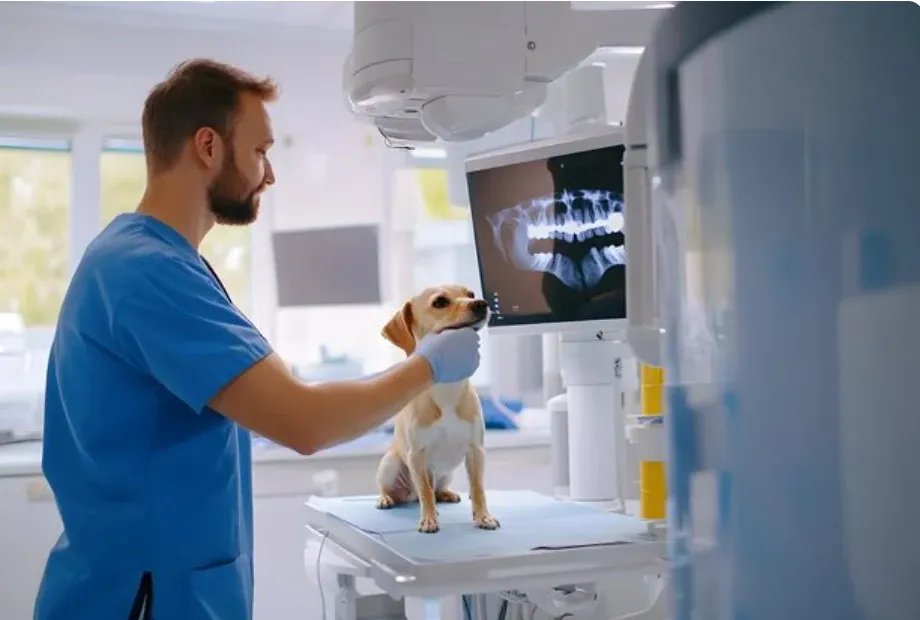
When we talk about taking good care of a dog or cat, food, exercise, vaccines, and yearly checkups usually top the list. Dental care tends to get pushed to the bottom, if it’s mentioned at all. But a pet’s mouth is working every single day, and once something’s wrong in there, ordinary things like eating and chewing stop being so ordinary. The trouble is, pets aren’t great at telling us when their teeth hurt. A dog might clean its bowl every night even with a sore tooth. A cat will often hide discomfort so well that nobody notices. Most owners only catch on — bad breath, a picky eater, a bit of drooling — after the problem has already been brewing for a while. This is exactly where a platform like nerovet ai smart dentistry starts to make sense.
It’s built around a simple idea: give veterinary teams better digital tools for looking at dental information, keeping records straight, reviewing images, and following a pet’s dental history over time.
To be clear — AI isn’t stepping in to replace the vet. Think of it more as an extra set of hands, digitally speaking, that helps a professional work with more information and less time lost to paperwork.
Dental Health Is Part of a Pet’s Overall Health
A pet’s mouth isn’t some separate system, walled off from the rest of its body. Teeth and gums run into the same kinds of problems any other part can.
Plaque is usually where it starts. Left alone, it hardens into tartar. Gums get irritated. Left unchecked long enough, dental issues can turn into real pain and make eating difficult. There can be other complications too — cracked teeth, unusual growths, infections, changes that simply aren’t visible to someone glancing into their pet’s mouth at home.
Regular vet visits are the chance to catch these things. The hard part for a clinic isn’t spotting the problem once — it’s keeping track of everything across dozens or hundreds of patients, visit after visit. A well-designed digital dental system takes a lot of that weight off.
What Nerovet Ai Smart Dentistry Is Designed to Do
At its core, Nerovet AI Smart Dentistry is about bringing smart digital technology into everyday veterinary dental workflows.
Instead of a clinic relying on handwritten notes scattered across separate files, everything — dental images, exam notes, observations, follow-ups — stays connected to the pet’s actual record.
Artificial intelligence adds another layer on top of that. It can be trained to notice certain visual patterns in dental images, and when something looks off, it flags that area for the vet to look at more closely.
That’s not a diagnosis, though. It’s a nudge. The veterinarian still has to examine the animal and decide what the finding actually means.
Why Dental Images Can Be Useful
Dental images pick up on details a routine exam might miss. They’re also handy for comparison — what did this tooth look like six months ago versus today?
Say a dog comes back to the same clinic after a few months away. If the earlier images and notes are sitting right there, the vet walks into the appointment already knowing more. That’s the value of keeping things organized instead of scattered across folders and filing cabinets — something NeuroVet AI Smart Dentistry is built to support.
AI can help here too, by reviewing images and pointing toward patterns worth a second look.
Making Record-Keeping Less Complicated
Record-keeping has to happen, but anyone who’s worked in a busy clinic knows how much time it eats up.
A single dental exam can produce a long list of small observations — the state of individual teeth, gum changes, treatment history, notes for next time. When all of that lives in a structured digital format, pulling it back up later is fast instead of frustrating.
This matters most for pets who’ve been in more than once. Rather than digging through old paperwork or trying to remember details from months ago, staff can just open the record. A good system shouldn’t add another task to the day — it should make the existing ones lighter.
Where Artificial Intelligence Can Help
AI earns its keep when there’s a lot of information to sort through. In dental care, that usually means images — recognizing visual patterns and flagging areas that look different from what’s expected.
That kind of assistance is genuinely useful, because a vet is juggling a dozen things during any given appointment. But an AI-generated flag is information, not a conclusion. It’s still up to the veterinarian to decide whether what’s been highlighted actually matters.
An image alone doesn’t tell the whole story anyway. A professional also weighs the pet’s history, age, symptoms, behavior, and what they see during the physical exam — all things NeuroVet AI Smart Dentistry is designed to keep close at hand.
Helping Vets Spend More Time on Patients
Anyone who’s sat in a waiting room knows there’s a lot going on behind the scenes at a busy clinic — appointments stacking up, records to update, treatment plans, phone calls, paperwork piling on paperwork.
Dental documentation is just one more thing competing for attention. Software that takes some of the repetitive organizing off a vet’s plate means more time actually spent with the animal in front of them.
That’s really the point of bringing AI into veterinary care in the first place. It’s not about the software being clever for its own sake — the real payoff is fewer obstacles between the vet and the patient.
Giving Pet Owners a Clearer Picture
Explaining a dental problem to someone outside veterinary medicine isn’t always easy. But it gets a lot clearer when the vet can pull up an image and point to exactly what they’re seeing.
Digital records make these conversations easier. A vet might set an older image next to a newer one and walk the owner through what’s changed. That gives the owner something concrete to look at, rather than a string of unfamiliar medical terms.
And once an owner actually understands what’s happening, they tend to understand why a certain treatment is being recommended too.
Tracking Changes Over Time
One appointment is a snapshot. A string of appointments tells a much fuller story.
Pets’ teeth and gums shift as they age, and keeping a running history helps a veterinary team see exactly what’s changed and when. A digital platform makes that kind of long-term tracking far more practical — instead of treating every visit as an isolated event, the clinic can look back and consider the whole picture.
AI could eventually make this even more useful, spotting patterns across many records at once. Even then, a veterinary professional still has to interpret what those patterns mean.
Every Pet Has Different Needs
There’s no single dental routine that fits every animal the same way.
A young dog and an older cat are going to have very different dental histories. Breed, diet, age, habits, past procedures, overall health — all of it plays a role. That’s exactly why a detailed patient record matters.
When a pet comes back in, the vet can glance at what’s happened before and use that context while assessing what’s going on now. Keeping those details in one place, rather than spread across notebooks and memory, helps build a much more complete picture of that particular animal.
AI Should Support Professional Judgment
It’s easy to get swept up talking about artificial intelligence like it changes everything. AI can process information fast, sure — but it doesn’t understand an animal the way a veterinarian does.
You can’t properly assess a pet from a dental image alone. A vet notices things during a physical exam that never show up in a photo — and they carry knowledge about the pet’s history, behavior, medications, and eating habits that changes how any single finding should be read.
This is why Nerovet AI Smart Dentistry keeps the veterinarian firmly at the center of the process. The software assists. The professional decides.
Practical Advantages for Veterinary Clinics
A smart dental platform pays off in a handful of everyday ways:
- Easier access to records — staff find previous dental information without digging through paperwork.
- Better image organization — dental images stay linked to the right patient and stay available for later review.
- Simpler documentation — structured digital records keep exam notes consistent.
- Clearer owner communication — images and organized notes make it easier to explain findings.
- Long-term monitoring — past appointments are right there when a pet comes in again.
None of this is flashy, but in a busy practice, it adds up — especially when the system is genuinely easy for staff to use day to day.
The Growing Role of Preventive Dental Care
Most dental problems are far easier to manage when they’re caught early, which is exactly why prevention matters so much.
Owners can help simply by paying attention to their pets’ mouths and following their vet’s advice. But professional exams still matter, because some problems just aren’t visible from a quick look at home.
Digital tools support this preventive mindset by helping clinics hold onto better records. When a pet’s dental history is right there, a vet can line up past observations against current findings — and gradual changes become a lot easier to notice before they turn into bigger problems.
Protecting Veterinary and Patient Information
Convenience comes with responsibility. Veterinary clinics hold sensitive information about patients, owners, and the practice itself, so any dental platform needs real security and privacy protections built in.
Clinics should know exactly how their data is stored, who can access it, and what happens to anything that’s processed by AI tools. Transparency matters here — veterinary professionals should have a clear sense of what the technology actually does, and just as importantly, what it doesn’t do.
What Could Come Next?
AI in veterinary dentistry is still fairly young, and future versions of this kind of technology will likely go further than what’s available today.
Image analysis could get sharper. Digital charting could get simpler. Patient histories could connect more seamlessly across visits. Clinics might even find ways to monitor dental changes between appointments, not just during them. There’s also room for tighter integration between dental platforms and broader practice-management systems.
But progress only counts if it solves a real problem. Adding AI because it’s trendy doesn’t automatically make patient care better.
A More Connected Approach to Pet Dental Care
The real opportunity with a platform like Nerovet AI Smart Dentistry isn’t any one AI feature — it’s the way different pieces of dental care come together in one place.
Images, exam notes, patient history, follow-ups, and owner communication can all sit inside a single connected workflow. This makes dental care easier to follow from one appointment to the next. For a modern clinic, that’s useful not just for individual visits, but for keeping a consistent standard of care over the long run.
Conclusion
Nerovet AI Smart Dentistry pet Platform for Modern Clinics points toward a practical direction for veterinary dental care going forward.
Artificial intelligence can help clinics review information, organize dental images, maintain patient histories, and lighten the load of everyday documentation. These tools save time and give veterinary professionals another way to look at dental information — but technology should never be mistaken for a replacement for actual veterinary care. AI can flag something worth a closer look; a qualified veterinarian still has to put that into context and decide what happens next.
For pet owners, the real benefit may just be clearer communication and better-organized records. For clinics, it means a smoother day-to-day workflow and quicker access to a pet’s history. As veterinary technology keeps evolving, platforms like NEROVET AI Smart Dentistry have real potential to become a standard part of modern practice — not to make dentistry more complicated, but to make the information easier to manage, so vets can focus on what actually matters: taking care of the animals in front of them.