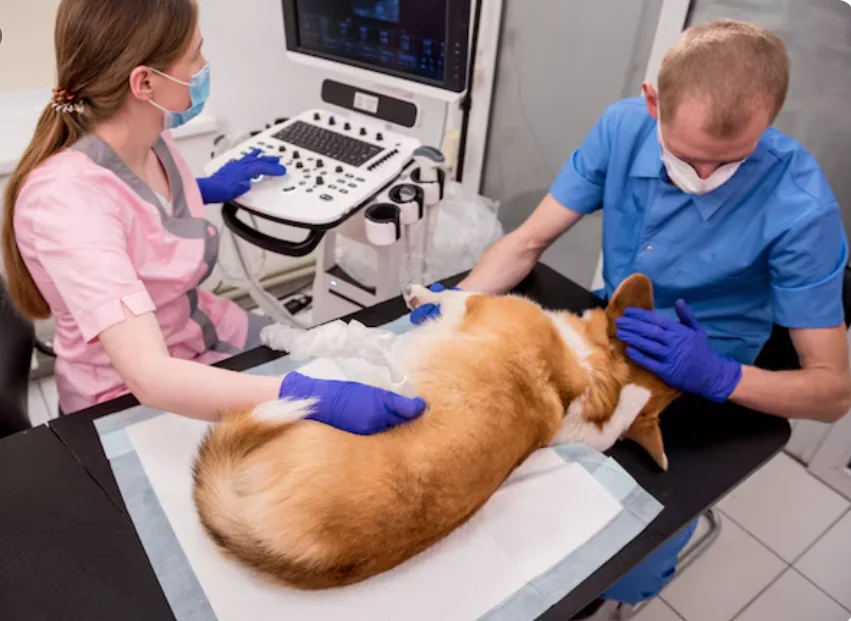
Pet dental health rarely gets the attention it deserves. Dogs and cats are prone to plaque, tartar buildup, gum irritation, bad breath, and cracked or damaged teeth — yet most of these issues go unnoticed until they become painful or expensive to treat. Regular checkups and good home care can prevent a lot of this, but vets still need faster, more reliable ways to catch problems early and manage them without adding extra work to an already packed day. That’s the gap Nerovet AI Dentistry Company is trying to close. It blends artificial intelligence with everyday veterinary dentistry, giving clinics a smarter way to assess dental health and streamline the clinical process — not by replacing the vet, but by giving them better tools to work with.
Understanding the Importance of Pet Dental Care
Good dental care is about more than clean teeth. It directly affects how comfortable a pet is day-to-day. A sore mouth can make eating painful and quietly change how an animal behaves, even if nothing looks obviously wrong on the surface.
The tricky part is that pets can’t tell you what hurts. A dog might keep eating through real discomfort just because that’s what dogs do, and a cat is often even better at hiding pain. So a lot of dental trouble goes undetected until an exam catches it.
That’s why routine checkups matter so much. Vets are trained to spot plaque, tartar, inflamed gums, cracked teeth, and other red flags during an exam, and recommend a professional cleaning when it’s needed.
The problem is volume — clinics juggle a huge amount of information for every patient, every visit. This is exactly where digital tools and AI can lighten the load and help vets keep track of it all.
What Is an AI-Powered Pet Dental Platform?
Think of an AI-powered dental platform as an assistant, not a replacement. It’s built to support the workflow around dental exams — helping with documentation, spotting patterns, and organizing findings — while the actual clinical judgment stays with the vet.
Depending on how the platform is built, it might help analyze dental images, tidy up clinical notes, flag patterns worth a second look, or turn scattered observations into structured records.
None of this means a computer is diagnosing anything on its own. Vets bring context that no algorithm has — the animal’s history, symptoms, behavior, and the physical exam itself. AI just helps process the surrounding information faster.
How Nerovet AI Dentistry Company Fits Into Modern Veterinary Care
The idea behind Nerovet AI Dentistry Company is simple: bring the same kind of smart, connected technology that clinics already use for scheduling and records into the dental side of the practice.
A platform like this pulls scattered dental information into one place, so staff spend less time hunting for notes or old images and more time actually with the patient.
It also helps with consistency. When dental findings are logged the same way every time, it’s much easier for a vet to look back and notice what’s changed between visits.
AI and Dental Image Analysis
Image analysis is probably the most interesting piece of this puzzle. Dental x-rays and photos carry a lot of detail, and reading them well takes real experience. AI can add a second layer here — scanning images and flagging areas that look unusual or worth a closer look.
That doesn’t mean the software makes the call. It just points to something and says “this might be worth checking,” and the vet decides what that actually means based on the physical exam, the pet’s history, and everything else they know about the case.
Making Dental Examinations More Efficient
Vet clinics move fast. On a busy day, every patient means an exam, notes, a conversation with the owner, and often a follow-up plan — and dental cases tend to add extra steps on top of that.
This is where AI tools can quietly help by handling the repetitive parts — organizing information automatically instead of leaving it to be typed up by hand later. Clinics that want to offer more structured dental services without overloading their staff can lean on this kind of support.
Efficiency here doesn’t mean rushing appointments. It means clearing away the busywork so vets can spend their attention where it actually matters — on the pet in front of them.
Supporting Better Dental Records
Solid records matter in veterinary medicine, maybe more than people realize. A pet might come back to the same clinic for years, and dental conditions shift slowly over time — which makes older records genuinely useful for comparison.
This is another area where Nerovet AI Dentistry Company can help by keeping dental observations, images, treatments, and follow-up notes organized in a consistent format instead of scattered across different files or formats.
Having all of that easy to pull up makes every future visit smoother, both for the vet and for the owner trying to understand what’s going on.
Helping Veterinary Teams Monitor Changes Over Time
Dental health isn’t something you check once and forget. A pet examined today might need another look months down the line, and the real value comes from being able to compare the two.
Keeping historical records organized makes that comparison possible. When a vet can pull up an old image next to a new one, it’s much easier to tell whether a condition has stayed the same, gotten better, or needs more attention.
This kind of ongoing tracking is especially useful for pets who need regular dental monitoring as part of their routine care.
AI Does Not Replace Veterinary Professionals
This point is worth repeating: AI supports the vet; it doesn’t stand in for them.
Software can process data quickly and flag patterns, but it doesn’t have the full picture a vet builds through hands-on exams and years of experience. A vet weighs age, behavior, history, medications, past treatments, and what they’re seeing right in front of them — all at once.
So anything AI produces should be treated as one more useful input, not a final answer. Pairing real veterinary expertise with smart technology tends to work better than either one on its own.
Benefits for Veterinary Clinics
Smoother Workflow — Automating the repetitive parts frees up staff to spend more time with clients and patients instead of paperwork.
Organized Information — Digital systems make dental records far easier to find and keep consistent.
Extra Analytical Support — AI can sift through large volumes of visual or clinical data and surface patterns worth a second look.
Clearer Communication — Structured dental information makes it easier for staff to explain findings to worried pet owners.
Consistent Monitoring — Digital records make it simple to compare dental findings across multiple visits.
How much of this a clinic actually sees depends on the quality of the technology and how well it’s built into daily practice.
Benefits for Pet Owners
Owners benefit too, even if the technology is happening mostly behind the scenes.
Dental issues are hard for owners to grasp because their pet can’t explain what’s wrong. Clear, visual explanations make it much easier to understand what a vet is recommending and why.
When a clinic documents dental findings digitally, owners tend to walk away with a better understanding of their pet’s oral health — and that usually leads to more consistent follow-through on preventive care.
The Role of Preventive Pet Dental Care
No amount of smart technology replaces the basics. Owners still need to follow their vet’s dental-care guidance — regular checkups, professional cleanings when recommended, the right dental products, and consistent care at home.
Vets remain the best source of advice on diet, chewing habits, hygiene routines, and what warning signs actually need attention.
Technology like this can help organize information and track conditions over time, but prevention still comes down to steady, consistent care from the owner.
Recognizing Possible Dental Problems
Owners should keep an eye out for changes like persistent bad breath, trouble chewing, a shift in eating habits, excessive drooling, pawing at the mouth, swollen gums, or visible tooth damage.
Some signs are subtle — a pet going off hard food or acting differently around mealtime can be an early clue that something’s wrong.
None of this should be self-diagnose at home. A proper vet exam is the only reliable way to know what’s actually going on.
Why Smart Dentistry Is Becoming More Relevant
Veterinary medicine has already gone digital in almost every other area — scheduling, records, imaging, billing, communication. Dental care is simply the next natural step in that shift.
As AI tools mature, vets get access to systems that process information faster and support more consistent day-to-day workflows.
The point was never technology for its own sake. It’s about solving real problems clinics deal with every day and making life a little easier for vets, pets, and owners alike.
Challenges of AI in Pet Dentistry
None of this comes without hurdles.
Accuracy tops the list — an AI system has to be properly trained and tested on real veterinary data before anyone should rely on it clinically.
Data quality matters just as much. Blurry images or incomplete records limit how useful any automated analysis can actually be.
Privacy and security can’t be an afterthought either, since these platforms handle sensitive patient and client information.
And vets need a clear understanding of where the limits are — a system can be genuinely useful without being right every single time. Responsible use is non-negotiable here.
The Future of AI-Powered Pet Dentistry
Looking ahead, the relationship between veterinary expertise and intelligent digital tools is only going to get closer. As the technology matures, platforms should get better at reading images, organizing records, spotting patterns, and supporting the overall workflow.
Future systems could make it far easier to compare dental information across appointments and give vets more sophisticated ways to track oral health over the long run.
But the technology that actually sticks will be the kind that fits naturally into how clinics already work — not the kind that adds extra steps. That’s why usability, accuracy, and professional oversight matter just as much as the AI itself.
Choosing Technology for a Veterinary Dental Practice
Clinics weighing whether to adopt a platform like this should think through a few things first.
Start with purpose — know exactly which part of the dental workflow the technology is meant to support.
Usability comes next. Staff should be able to pick it up without a steep learning curve.
Data handling deserves real scrutiny too. How sensitive information is stored and protected.
And finally, check whether results are present clearly, with enough professional oversight built in.
The best platforms fit into how a clinic already operates instead of forcing everyone to change their process from scratch.
Conclusion
Nerovet AI Dentistry Company sits right at the intersection of artificial intelligence and modern pet dental care. Done right, this kind of technology can support vets through image analysis, better records, streamlined workflows, and more consistent monitoring over time.
But responsible use has to stay front and center — AI is a support tool, not a substitute for veterinary expertise. It’s there to help professionals work through information more efficiently, not to make the calls for them.
For pet owners, the takeaway is straightforward: dental health deserves regular attention. Preventive care, routine exams, and catching problems early all add up to a healthier pet.
As veterinary medicine keeps moving in a digital direction, platforms like Nerovet AI Dentistry Company are likely to become a bigger part of how clinics approach dental care. It combines smart technology with the professional judgment that’s always been at the center of good veterinary medicine.