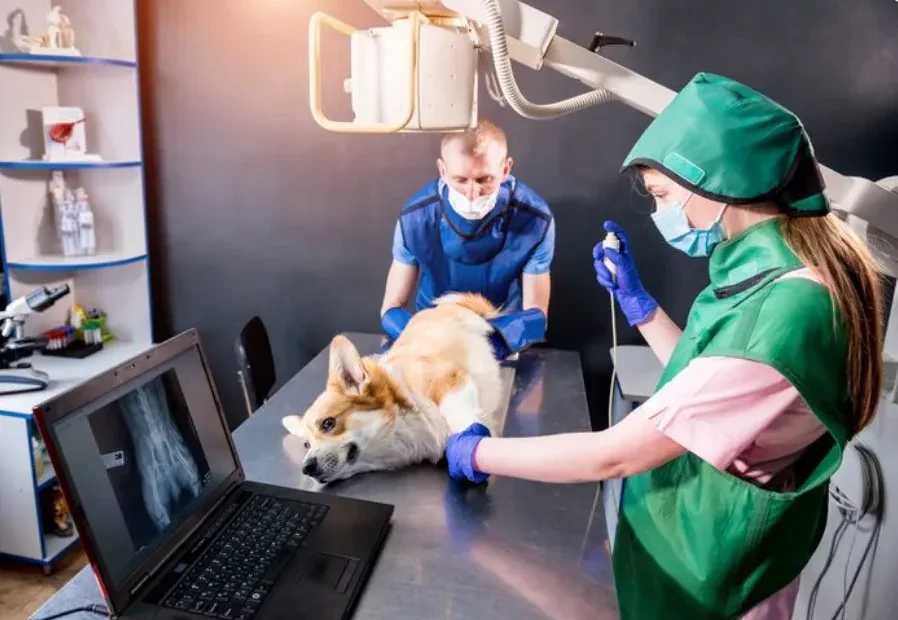
Most pet owners think about their dog’s coat, their cat’s weight, maybe even their joints as they get older. Teeth? Not so much. And yet dental disease is one of the most common — and most quietly progressive — health issues companion animals face. Plaque builds up, tartar hardens, gums get inflamed, and by the time anyone notices, the animal could already be dealing with periodontal disease or a cracked tooth that’s been bothering them for weeks. Part of the problem is that dental issues are genuinely hard to catch on a routine look-in-the-mouth exam. That’s the gap platforms like Nerovet AI are trying to close — using artificial intelligence to help vets get more out of the dental images they’re already taking.
This piece walks through what Nerovet AI actually is, where AI fits into veterinary dentistry more broadly, what clinics stand to gain from it, and where things might be headed.
So what is Nerovet AI, Exactly?
At its core, Nerovet AI is a platform built to help vets read dental images and radiographs more effectively. It doesn’t replace the exam — it sits alongside it, giving the veterinary team a second set of “eyes,” so to speak, when they’re looking at a dog or cat’s teeth.
Here’s the thing about traditional dental exams: they lean almost entirely on the vet’s own training, experience, and judgment when interpreting an image. That’s not a flaw — it’s just how medicine has always worked. AI doesn’t change that foundation. What it can do is flag patterns in an image that might otherwise get missed in a busy clinic day, giving the vet one more data point before they make a call.
The workflow itself is pretty simple in concept: the clinic takes proper dental images, the nerovet AI processes them, and it surfaces patterns tied to known dental conditions. The vet then folds that into everything else they know about the patient. In a practice seeing dozens of animals a day, having a tool that helps keep that process consistent is genuinely useful.
Why Does Dental Health Even Matter This Much?
Because animals are good at hiding pain — that’s really the short answer. A dog with a fractured tooth might keep eating like nothing’s wrong. A cat with early tooth resorption won’t necessarily show it. Bad breath, slightly redder gums, chewing more on one side — these are easy signs to miss at home, and even easy to miss in a five-minute exam room visit.
Left alone, though, these problems don’t stay small. Periodontal disease spreads into the tissue holding the teeth in place, and it can eventually cause real, lasting discomfort and tooth loss. That’s exactly why anything that helps a vet team catch things earlier — like a faster, more thorough read of dental images — has real value in preventive care.
Where AI Actually Fits into Veterinary Dentistry
Nerovet AI has already made itself useful across a lot of medical imaging — human medicine included — mostly because it’s good at combing through visual data quickly and consistently. Veterinary dentistry is a natural extension of that. Radiographs are full of detail that isn’t always obvious on a first pass, and a trained AI model can pick out patterns worth a second look.
It’s not about replacing the vet’s eyes with a machine’s. It’s closer to adding a layer of analysis on top of what the vet is already doing. A typical flow might look something like this:
- The clinic captures dental images during an exam.
- Those images run through the AI platform.
- The system looks for visual patterns tied to specific findings.
- Anything notable gets flagged or sorted.
- The vet reviews that alongside the animal’s history and their own clinical read.
- The vet — not the software — makes the final call on diagnosis and treatment.
That last step matters more than people sometimes realize. Keeping the vet firmly in charge of the decision is really the whole point of doing this responsibly.
What Kinds of Problems Can it Help Spot?
The exact capabilities depend on the system and the images it’s working with, but AI-assisted dental analysis is generally aimed at a handful of common trouble spots.
Periodontal disease. Far and away one of the most frequent dental issues in dogs and cats, affecting the gums and the structures holding teeth in place. AI can help highlight radiographic patterns tied to this, giving the vet another angle on how advanced things might be.
Tooth resorption. Especially common in cats, and notoriously tricky to catch with the naked eye. This is a condition where dental tissue is gradually broken down, and radiographs are pretty much essential for confirming it. Nerovet AI-assisted review can help draw the eye toward spots that deserve a closer look.
Fractures. Some broken teeth are obvious. Others aren’t, and they still expose sensitive structures underneath. Having a more systematic way to scan images for this kind of damage helps make sure nothing slips through.
Other findings. Dental imaging can turn up all sorts of things beyond the “big three” above, and depending on how the platform is trained, it may help organize or surface additional abnormalities worth a vet’s attention. The underlying philosophy stays the same throughout: AI supports the judgment call; it doesn’t make it.
What Clinics Actually Get Out of This
Faster image review. Manually combing through dental radiographs takes time and focus — time that’s in short supply in a busy practice. Having a system that quickly processes images and flags potential issues doesn’t remove the vet from the loop, but it does make their review more efficient.
A second layer of insight. No vet, no matter how experienced, catches everything every time. That’s just the nature of diagnostic work. An additional analytical pass can surface something worth a closer look that might have otherwise been overlooke in the moment.
More consistency across the team. Not every vet or technician in a practice has the same depth of experience with dental radiography. A standardized AI-assisted process helps smooth out those differences a bit, so patients get a more even standard of review no matter who’s on shift.
Easier conversations with pet owners. Try explaining a hairline fracture or early-stage resorption to someone who can’t quite see what you’re seeing on a radiograph — it’s not always easy. Having clear visual information, backed by AI-assisted analysis, tends to make these conversations land better and helps owners actually understand why a treatment is being recommended.
Better support for preventive care. The whole point of veterinary dentistry isn’t just treating disease once it’s advanced — it’s catching things early. A more efficient, more organized dental review process makes it easier for clinics to build that kind of prevention into everyday care rather than treating it as an afterthought.
Fitting into a Clinic’s Actual Workflow
New technology is only as good as how well it fits into a clinic’s day-to-day. Vets and techs don’t need another tool that adds friction — they need something that slots into imaging, documentation, and communication routines they already have.
That’s really where Nerovet AI’s relevance comes in — not as a standalone gadget, but as part of a broader digital workflow. A clinic might use it during a scheduled dental procedure, or when a patient comes in with suspected oral issues. The images get captured, reviewed digitally, and the AI adds its layer of analysis on top.
Even so, the vet is still the one connecting the dots — age, symptoms, history, physical exam findings, everything that makes each animal’s case different.
To be Clear, AI isn’t Replacing Vets
This is worth repeating, because it’s easy for the message to get muddled. AI-powered dental tools are not a replacement for veterinary professionals, and that’s not likely to change anytime soon.
An AI system recognizes patterns based on its training data. It has no understanding of an individual animal’s temperament, medical history, or the nuance a vet picks up during a physical exam. A vet brings all of that together — clinical reasoning, hands-on experience, context — in a way no algorithm currently can.
The model that actually works is AI plus veterinary expertise, not AI instead of it. That distinction matters just as much for pet owners as it does for clinics. AI helps process information, but the professional judgment behind a diagnosis stays firmly human.
Good Input Still Matters
None of this works if the images going into the system aren’t good to begin with. Poor positioning, bad exposure, motion blur, overlapping structures — any of that can throw off interpretation, human or AI. No algorithm can fully compensate for a low-quality radiograph.
So the real formula for successful AI adoption isn’t just “buy the software.” It’s good technology paired with good imaging practices — proper equipment, solid positioning technique, trained staff, and a workflow that actually supports all of it.
The Ripple Effect on the Client Experience
Beyond the clinical side, this kind of technology can change how the whole visit feels for pet owners. Animals can’t tell you where it hurts, so vets often have to lean on images and explanations to make the case for treatment.
When an owner can actually see what the vet is seeing — a shadow on a radiograph, a flagged area. Whatever it is, the conversation shifts from “trust me” to “look at this.” That tends to build more buy-in, and it can nudge owners toward taking preventive dental care more seriously going forward.
Where This is All Heading
AI in veterinary medicine is still fairly early days, and it’s reasonable to expect the technology to keep maturing as datasets grow and models improve. Down the line, that could mean sharper detection of dental abnormalities, smoother documentation, tighter integration with practice management software, and better training tools for vets themselves.
There’s also real potential in tracking change over time — comparing images from one visit to the next to see whether a condition is progressing or improving.
None of that should come at the expense of responsible development, though. Validation, quality data, privacy safeguards, and human oversight all need to stay part of the picture. The goal was never “more technology for its own sake“. It’s technology that actually makes decision-making better and improves outcomes for the animal in the chair.
What This Means for Pet Owners
If you’re a pet owner, the main thing to take away is this: AI-powered dental tools are something your vet uses — they’re not a replacement for the vet visit itself.</p>
Watch for the usual warning signs at home: persistent bad breath, trouble chewing, changes in appetite, excessive drooling, swollen or red gums, loose teeth, or any sign your pet is sensitive around the mouth. Regular checkups are still the best way to catch problems while they’re still manageable.
And if your vet recommends dental imaging, know that radiographs often reveal things a visual exam simply can’t. If there’s AI-assisted analysis backing that up, it’s just one more layer of thoroughness in the process.
The Bigger Picture
Nerovet AI is one example of where veterinary technology is heading — using AI to support, not replace, the people doing the actual clinical work. The value isn’t in the fact that it’s “AI-powered,” full stop. It’s in whether it genuinely makes a vet’s job easier, keeps their review process consistent, and helps dental information get communicated more clearly.</p>
As veterinary medicine leans further into digital tools, platforms like this are likely to become a normal part of how clinics operate — not a novelty, just part of the workflow.</p>
At the end of the day, the technology only matters if it does what it’s meant to do. It helps vets catch problems early, communicate clearly with owners, and keep animals more comfortable. Combine solid veterinary expertise with tools like this, and clinics are in a better position to deliver dental care that’s more consistent, more preventive, and ultimately better for the animals it’s all supposed to help.</p>