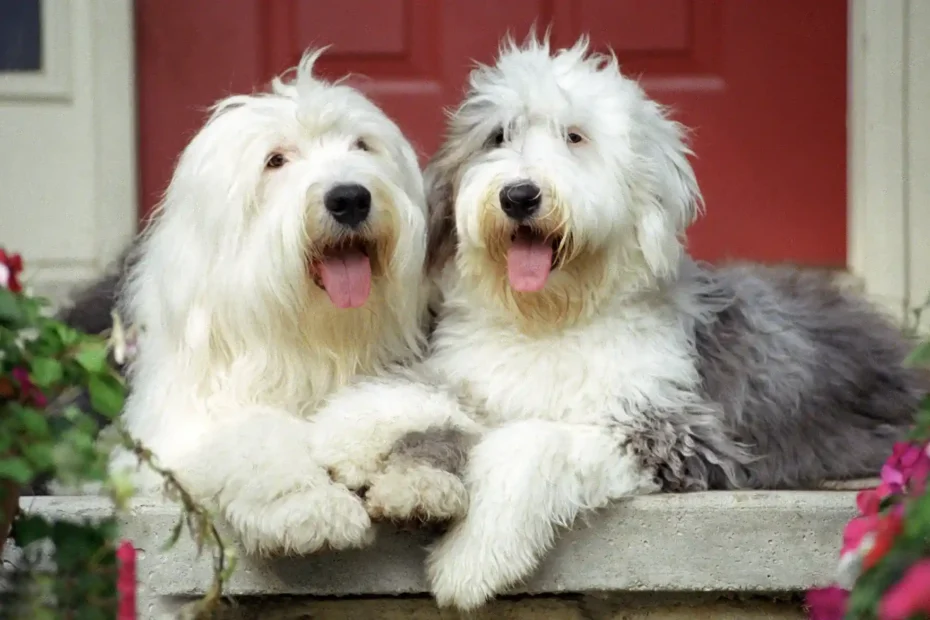
Owning a pet is one of life’s simplest joys, but keeping that pet genuinely healthy takes more than good intentions. Nerovet is built around one core belief: real wellness comes from consistent, thoughtful daily habits, not a single big gesture. Whether you share your home with a dog, a cat, or another companion animal, the same principle applies. Every animal is different, and understanding those differences is the first step toward better care.
What Wellness Actually Looks Like
It’s easy to judge a pet’s health by the obvious signs — a shiny coat, a healthy appetite, plenty of energy. But true wellness runs deeper. It includes how comfortably an animal moves, how well it sleeps, how it interacts with its environment, and how it feels emotionally.
A dog that eats perfectly well but rarely gets outside may still be missing something important. A cat with a spotless litter box can still be understimulated and bored. Complete care blends physical health, mental engagement, preventive medicine, and a safe, supportive home.
Nutrition Is the Foundation, Not the Whole Picture
Every pet needs balanced nutrition suited to its age, breed, size, and activity level. A puppy’s needs differ from an adult dog’s; a kitten’s diet looks nothing like a senior cat’s. Rather than switching foods based on trends or social media advice, owners are better served by consulting a veterinarian about what actually fits their individual animal.
Treats are fine in moderation, and fresh water should always be within reach. Small, consistent choices matter more than any single “perfect” product.
Weight, Movement, and Everyday Activity
Weight gain tends to creep up slowly, which is exactly why it’s easy to miss. Regular activity, sensible portions, and occasional veterinary check-ins on body condition can catch changes before they affect mobility or comfort.
Exercise shouldn’t feel like an obligation — it should fit the pet. Dogs might enjoy walks, fetch, or swimming; cats often get what they need through short, energetic bursts of play. The goal is matching activity to the individual animal’s age, energy, and physical ability, and paying attention when a pet suddenly struggles with something it used to enjoy.
Mental Stimulation Counts Too
Physical exercise is only half the equation. Dogs benefit from learning commands, scent games, and food puzzles. Cats respond well to interactive toys that let them stalk, chase, and investigate. None of this needs to be expensive — a few focused minutes a day can make a real difference, and it also gives owners a chance to learn what excites, relaxes, or unsettles their pet.
Preventive Care Beats Reactive Care
Routine veterinary visits aren’t just for emergencies. They give a professional the chance to catch small issues — in weight, teeth, skin, heart, or breathing — before they become bigger problems. Vaccination schedules and parasite prevention should be tailored to the individual pet’s age, lifestyle, and local environment, ideally in conversation with a vet rather than based on general internet advice.
Dental health deserves particular attention, since problems in the mouth are often invisible until they’re already causing discomfort. Bad breath, drooling, or reluctance to eat can all be early signals worth checking.
Where Nerovet AI Fits In
This is where nerovet ai enters the conversation. Healthcare — including veterinary and dental care — is increasingly supported by digital tools: imaging systems, electronic records, and workflow software that help professionals manage information more efficiently.
Nerovet smart dentistry reflects this shift specifically in dental care, where AI may assist with organizing images, records, and analysis so professionals can work more effectively. And the idea of a nerovet ai dentistry company points to organizations exploring how artificial intelligence and dentistry intersect — using technology to support, not replace, professional judgment.
None of this changes the fundamentals. AI can process information and support workflows, but it cannot examine an animal, take a history, or make a clinical decision. That responsibility stays with a qualified veterinarian or dentist.
Grooming, Home Safety, and Knowing Your Pet
Regular grooming isn’t just cosmetic — brushing, nail care, and bathing give owners a close-up chance to spot lumps, irritation, or parasites early. At home, keeping cleaning products, medicines, and small objects out of reach prevents many avoidable accidents, and every pet deserves a quiet space to rest.
Perhaps the most underrated tool an owner has is simple familiarity. Knowing how your pet normally eats, sleeps, and behaves makes it far easier to notice when something is off — a hiding cat, a dog skipping meals, or unusual fatigue are all worth paying attention to.
A Simple Daily Routine
- Feed consistent, appropriate meals
- Keep fresh water available at all times
- Make time for exercise and play
- Watch appetite and behavior for changes
- Keep living areas clean
- Offer mental stimulation
- Check grooming and hygiene regularly
- Take unusual changes seriously
The Bottom Line
Nerovet’s philosophy is straightforward: good pet health is built through small, consistent choices, not occasional big efforts. Nutrition, exercise, preventive care, dental attention, grooming, and emotional support all add up over time. Technology — including nerovet ai and the broader move toward nerovet smart dentistry — can support that process by helping professionals manage information more effectively. But it works alongside veterinary expertise, never in place of it.
For pet owners, the takeaway is the same as it’s always been: pay attention, build good habits, and call a veterinarian when something doesn’t seem right.